
about custo scan a custo tag see the items

Custo is a kiosk for fostering and archiving the relationships between people and things
|
Table of Contents
the kiosk |
 |
The thesis is that items with a documented history are more likely to live long, useful lives. Custo exists to encourage greater care of the material things.
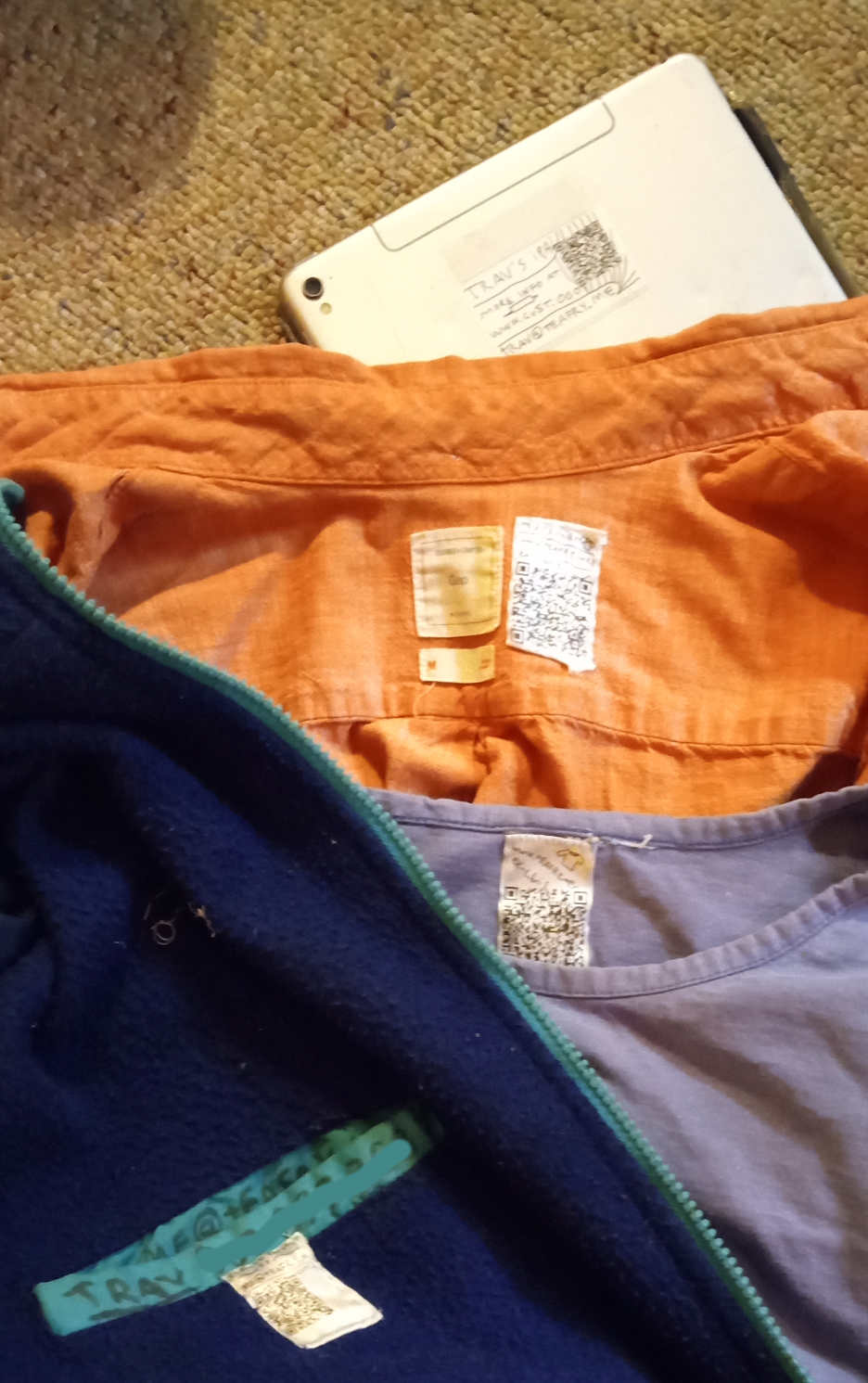
The custo kiosk allows users to design their own custom fabric or sticker tags to affix to items. A common component of a tag is the owner's contact info in case the item is lost. A QR code is printed on the tag with a unique item ID. Using the kiosk or a Scuttlebutt client anyone can update stories, history and meta-data about the item using this unique ID.
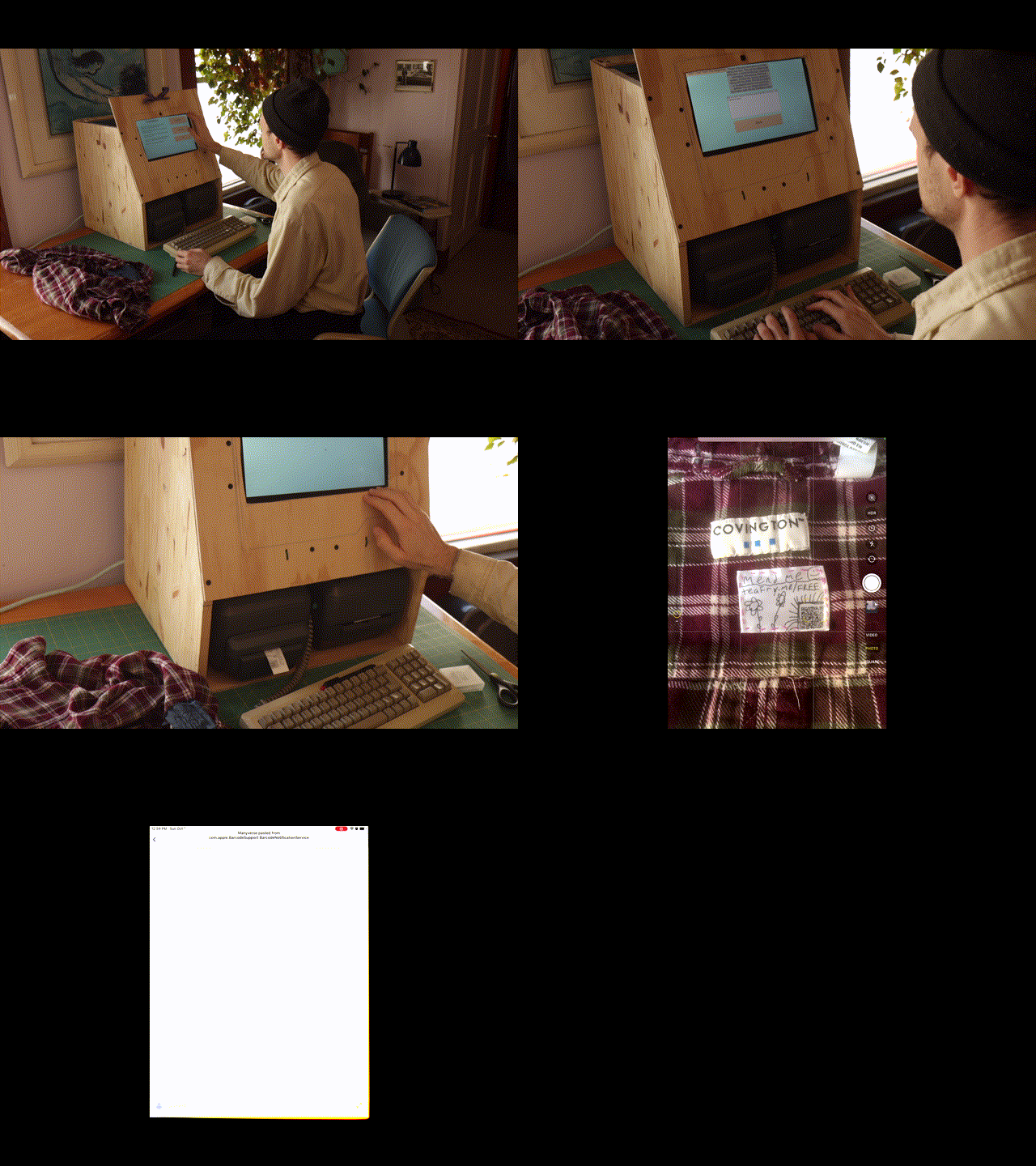
click for a bigger (25mb) gif
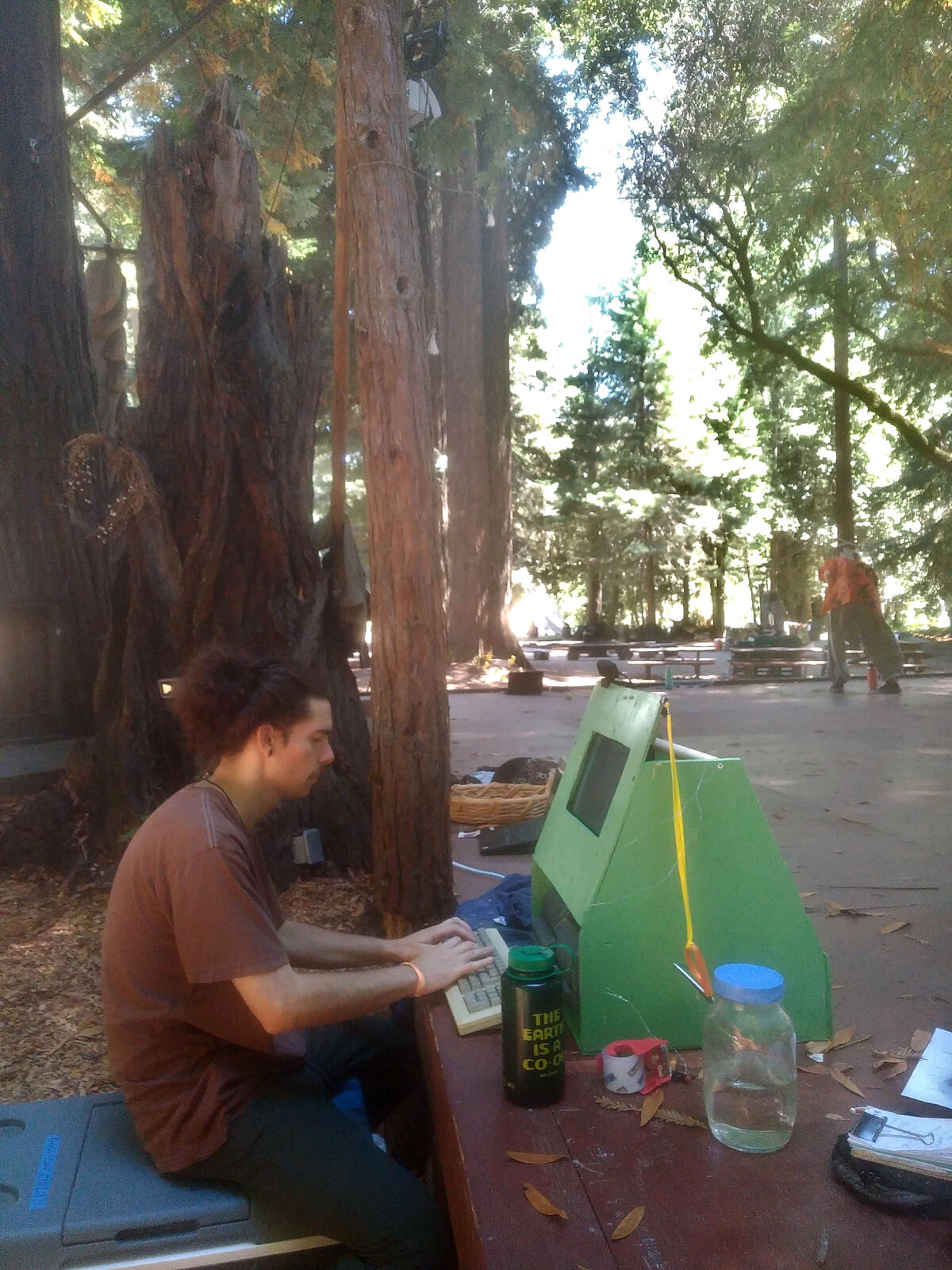
the kiosk
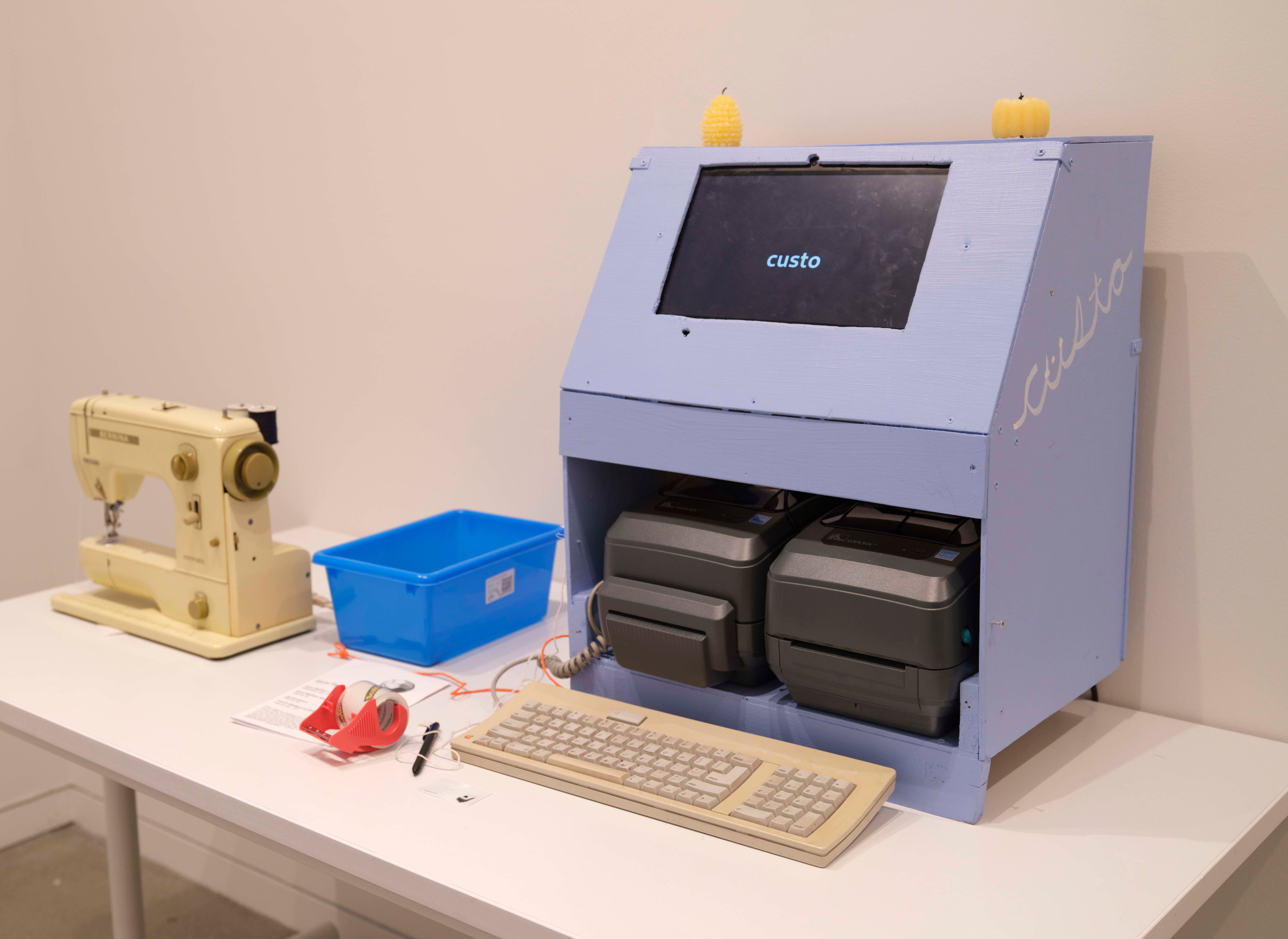
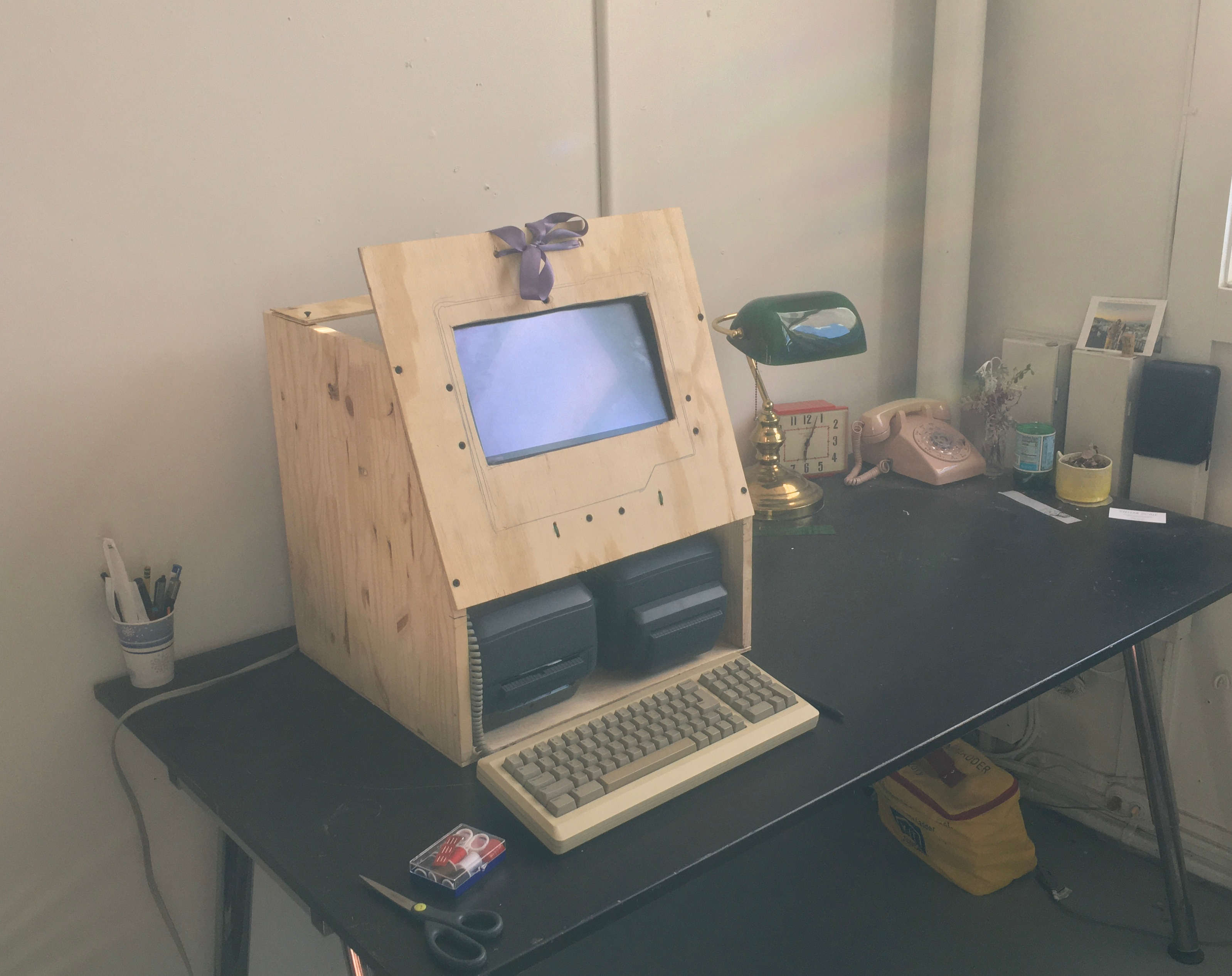
This project is intentionally developed as a public infrastructural kiosk. Kiosks, like phone booths, vending machines, or the haves/needs kiosk in the book Always Coming Home democratize access to technology. The interaction is more embodied, you have to physically go to the machine. It's shared, like the public library. It is an elegant way of computing.The kiosk is made from:
- a Thinkpad x230t running linux. This convertable tablet laptop is the brains of it.
- two Zebra GX430T thermal transfer printers. They have a thermal print-head like a receipt printer but have an additional roll of resin that gets melted into the stickers and ribbons.
- a painted wooden enclosure.
The kiosk is equiped with:
- a decades-old mechanical keyboard. The keyboard is visually and tactily pleasing and built like a tank. Keeping 'old' tools in use like this is considered permacomputing. It is an example of the mission of the project to keep useful items in use and out of the landfill.
- a sewing kit for sewing tags to textile items and doing some light mending.
- a roll of packing tape for weather-proofing the stickers.
- a stylus for drawing tags on the touchscreen.
- a candle and lighter for sealing the edge of the nylon tags so they don't fray, and for setting a gentle mood to sew/mend to.
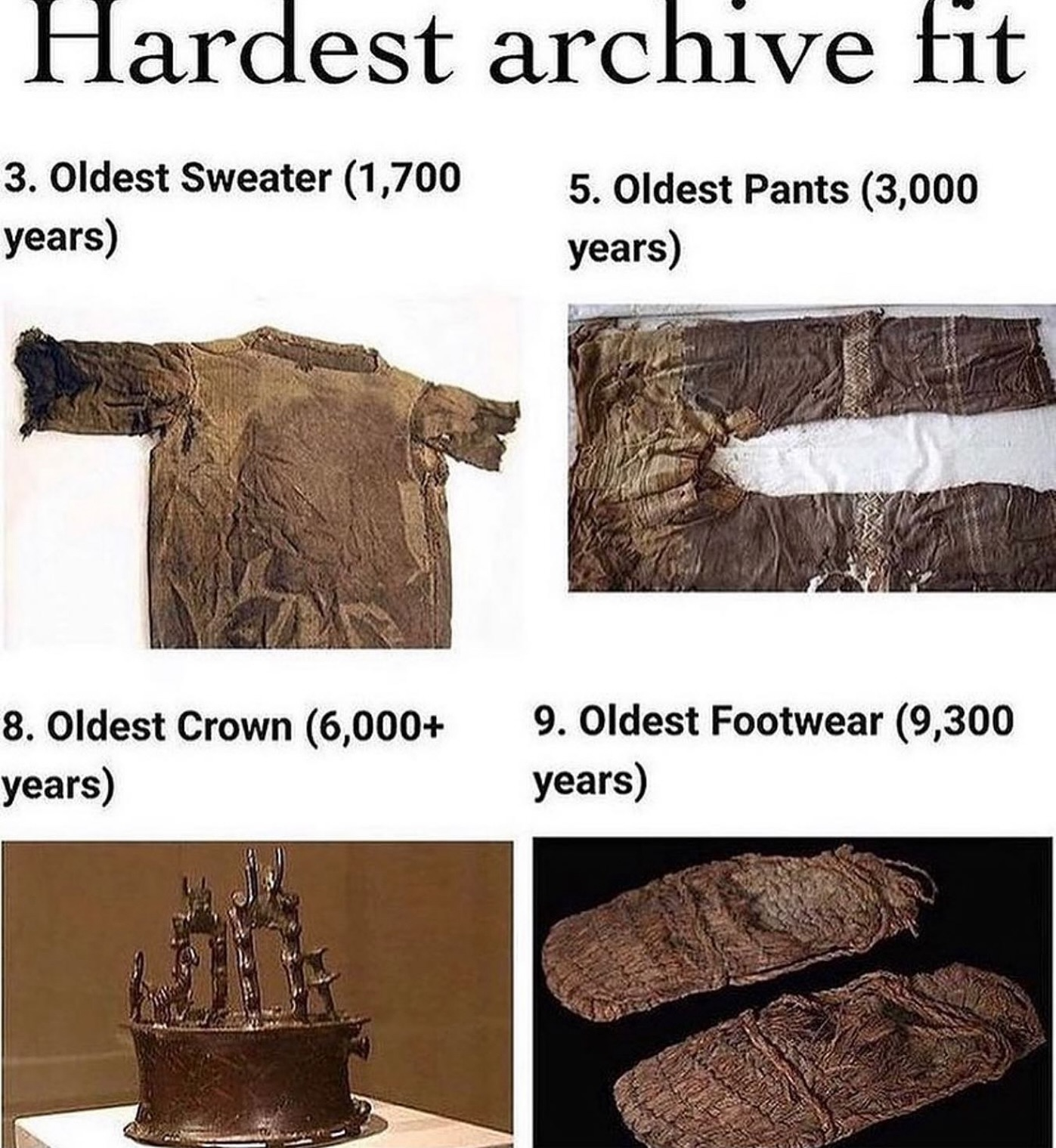
the tagging ritual
A burning candle helps create a grounding moment to meditate (menditate) on the relationship with one's object. Affixing a tag to an item acknowledges this relationship and forges a kind of spiritual agreement with the item. You're saying, 'I am a custodian, I am your custodian, I will take care of you'. Items and people live a long time and we both take care of eachother while we're alive. This acknowledges that oft-forgot reality.tags
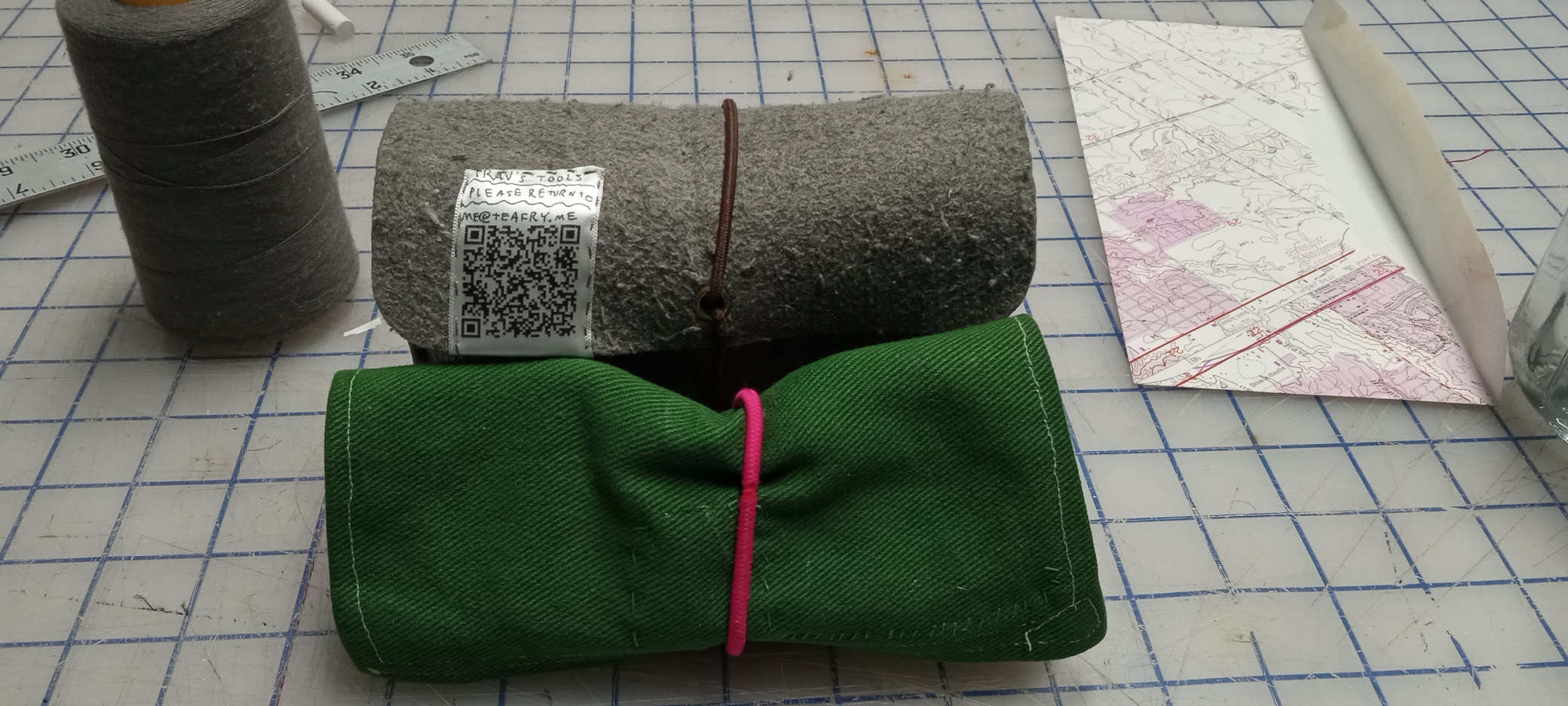
There are tags on objects all around us. Some questions worth pondering:
- what values does this tag impute?
- who gets to make this tag?
- who gets to update the meaning, meta-data and stories behind this tag?
- who does this tag uplift?
I don't care who made a thing, I don't need to see the logo on the thing. I want the logo of the person who's maintaining it. ... I want to know who is preventing this thing from ending up in a landfill, not who designed it to.
--@trav@sunbeam.city July 9, 2023
some pleasing types of tags
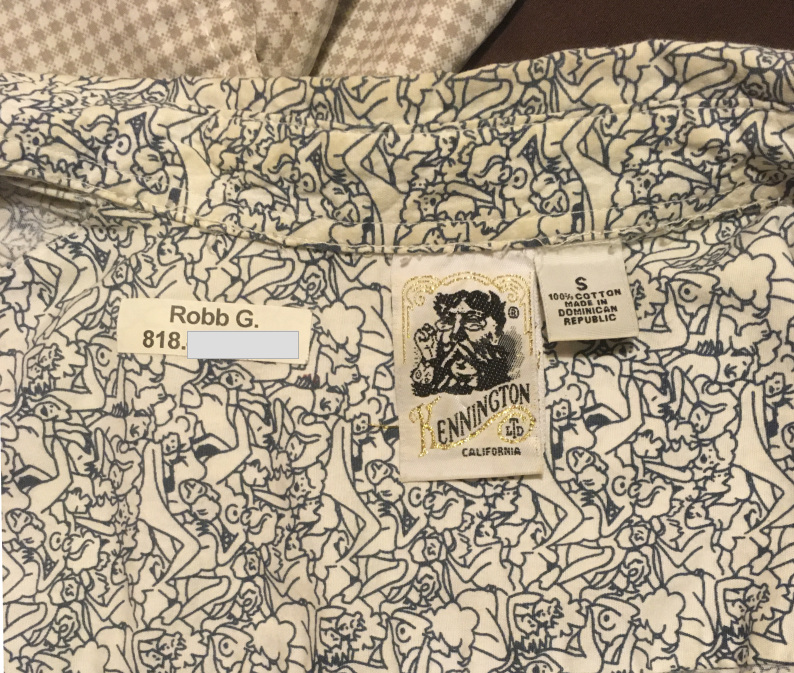
Names in clothing! Robb gave me their shirt.
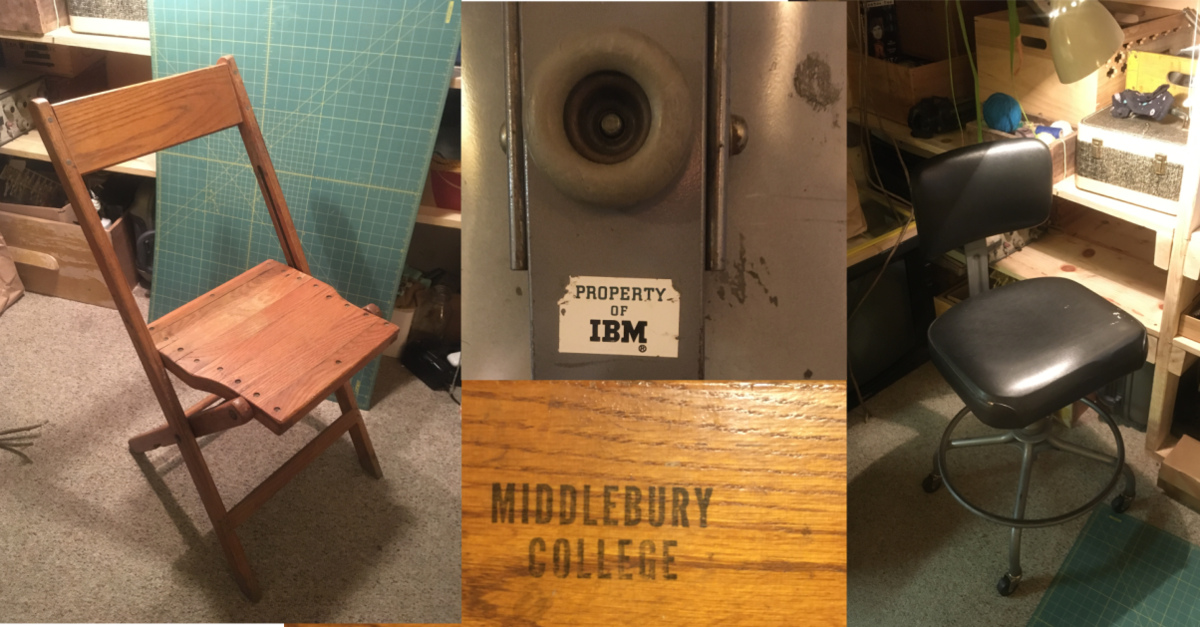
Institutional chairs. Sometimes these include a barcode that links to private databases of information about the item. If only this were public...
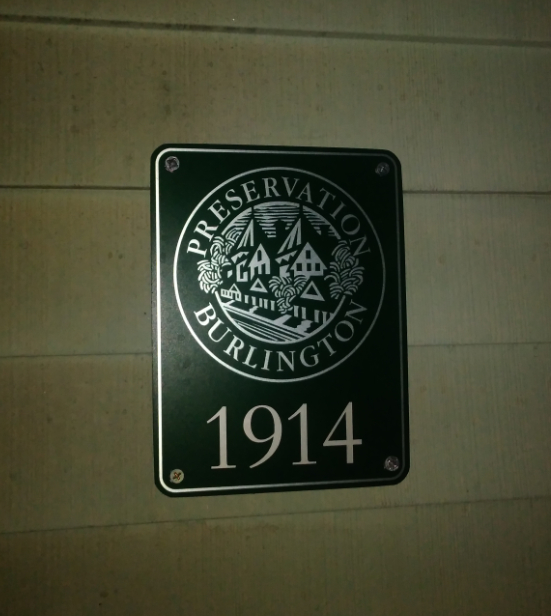
My house from 1914
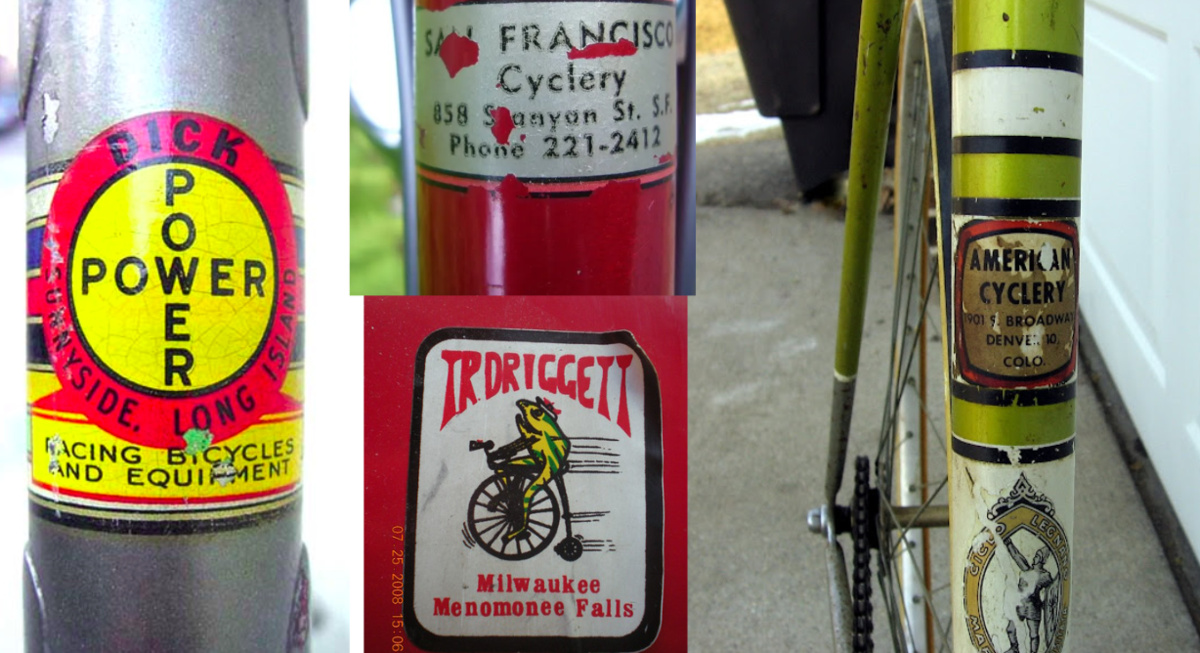
the stickers a bike shop adds to a bike when they fix it up. Also bike registries that track bicycle serial numbers.
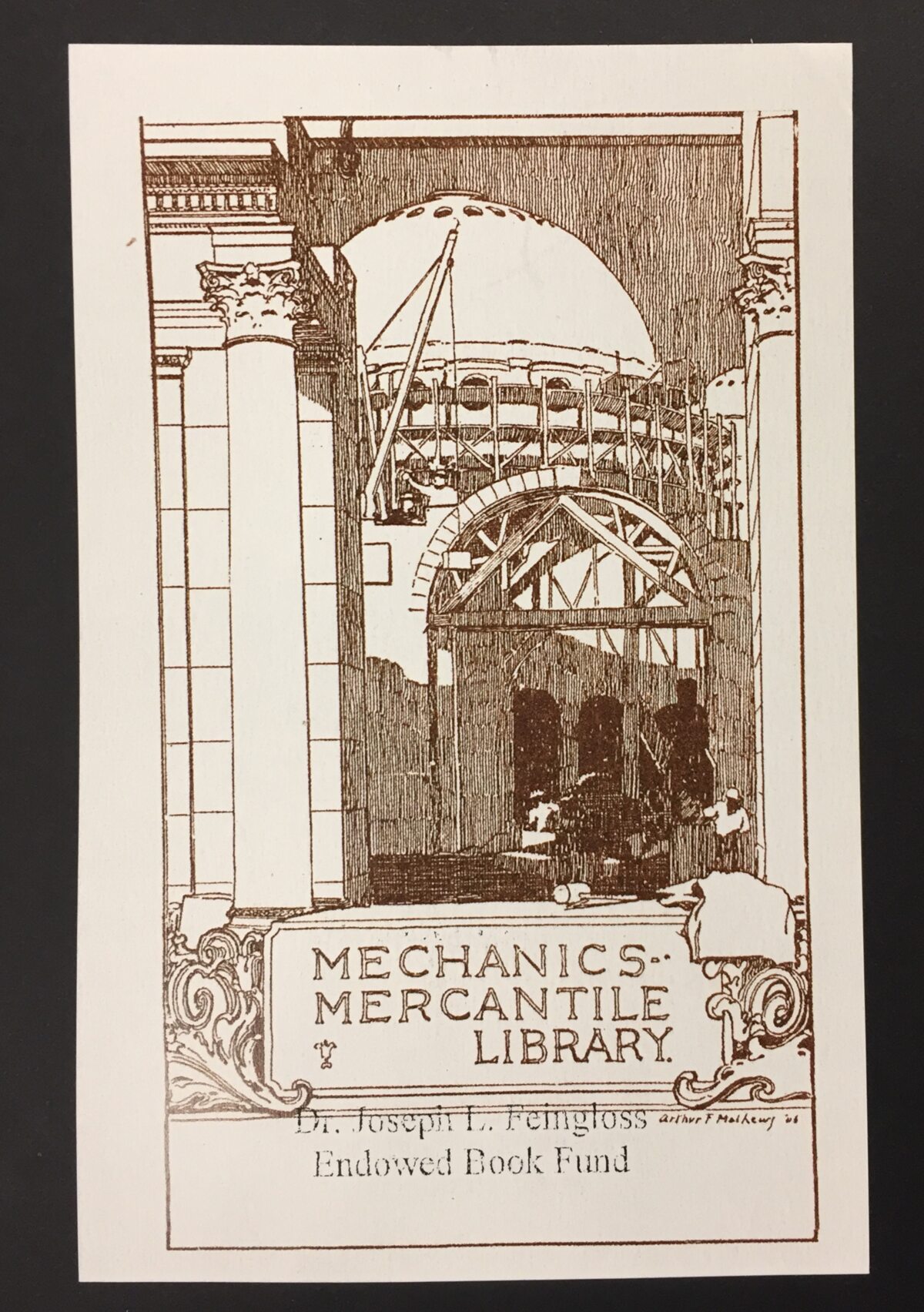
ex-libris and library borrowing cards in the back of old library books.
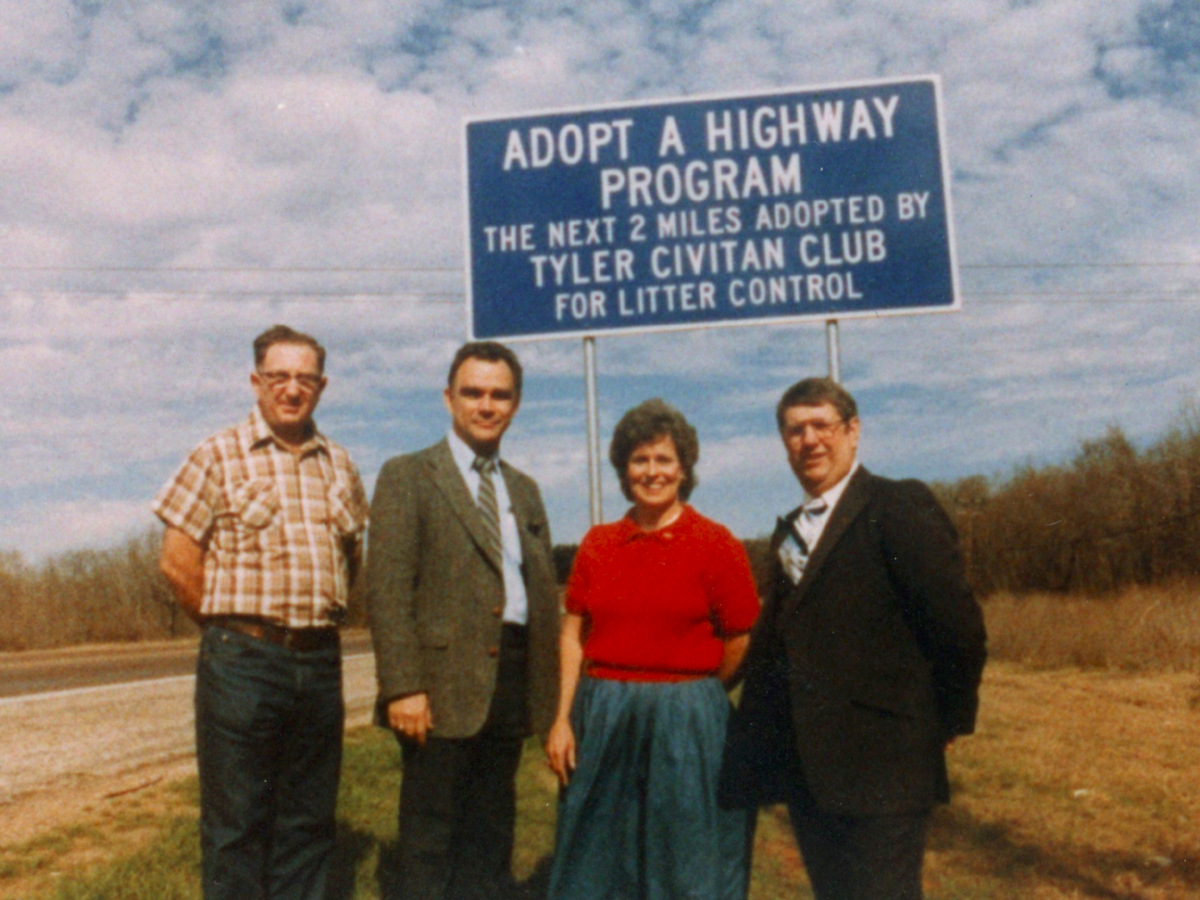
perhaps highway maintenance could be seen as an externality of the automobile industry though I do like how these tags uplift maintenance workers.
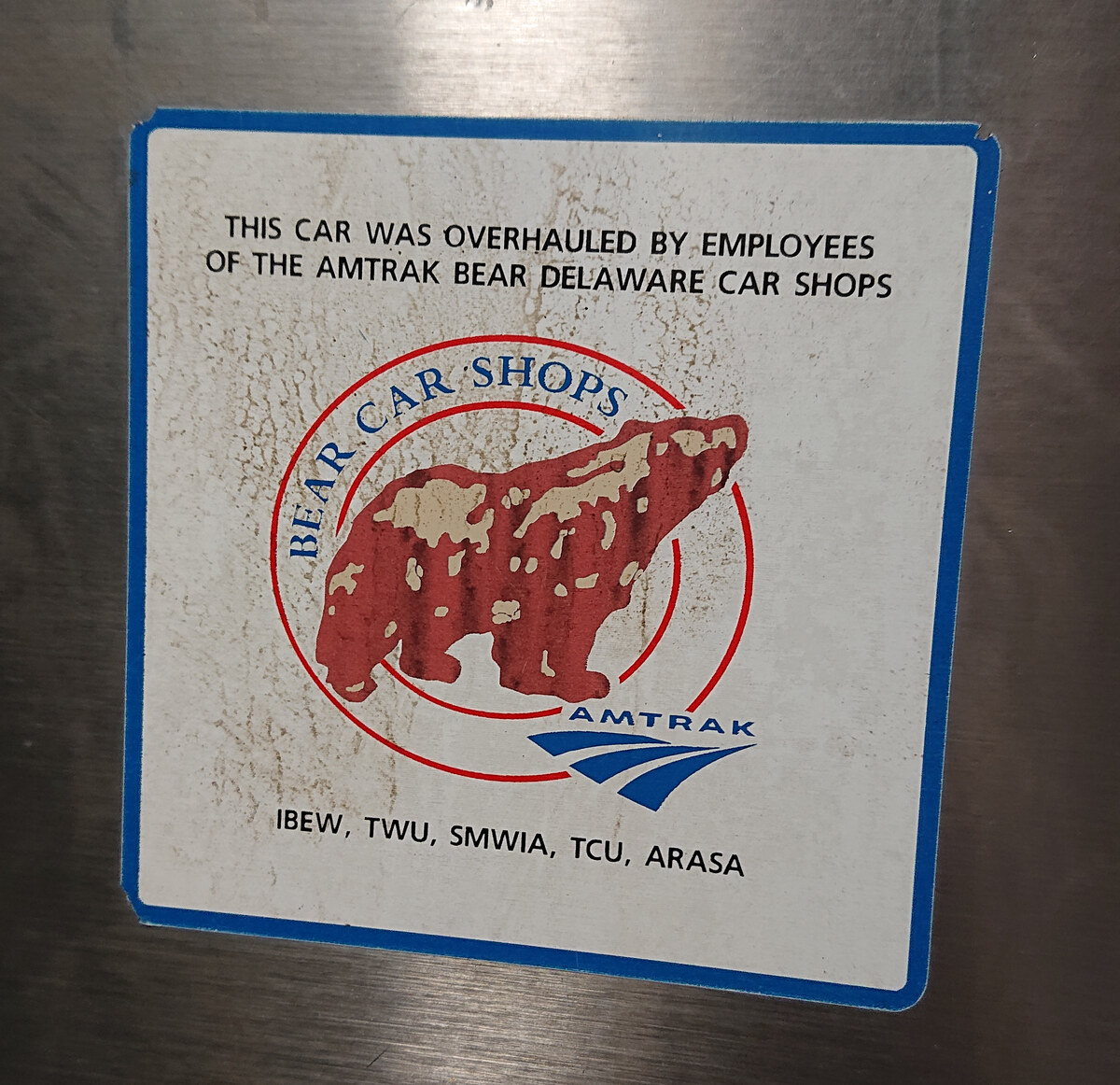
I also apprecitae these maintenance workers tags on Amtrak cars
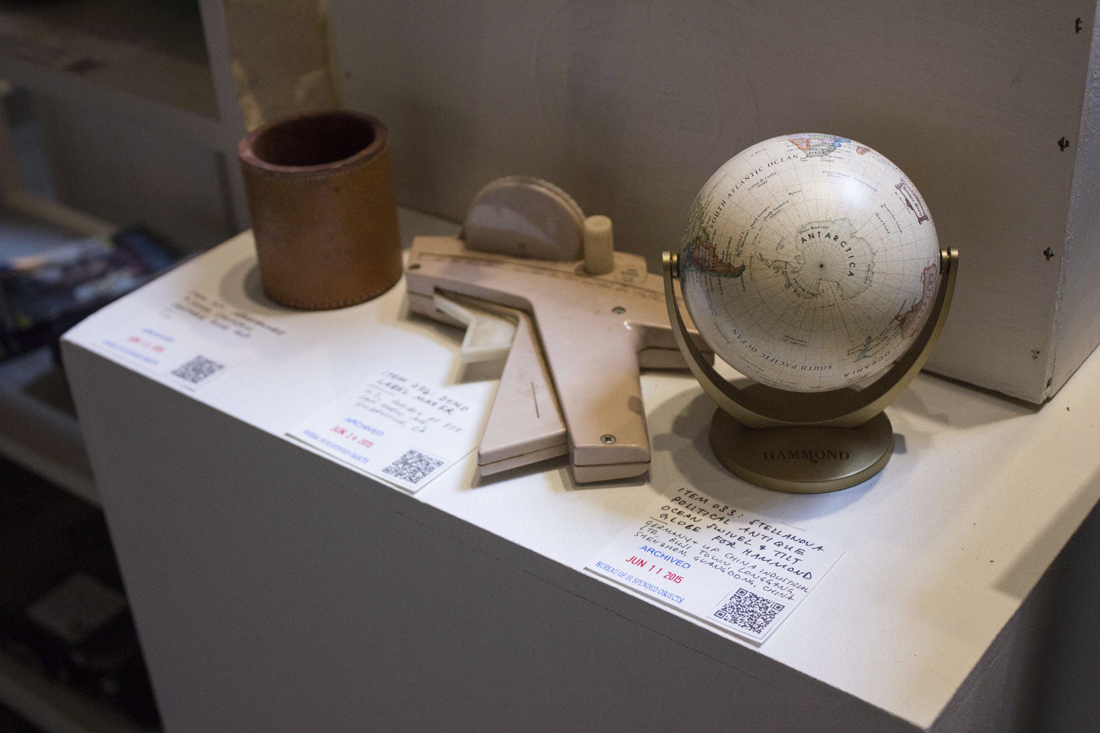
my friend Jenny Odell did a similar-to-Custo project in 2015 called Bureau of Suspended Objects. She researched the history of items bound for the dump where she was an artist in residence. Each item was accompanied by a tag with a hand-dated stamp and a QR code with link to the history of the item.
Other interesting tags/systems:
- Long-term nuclear waste warning messages are interesting because of how long they need to be legible
- tomb stones
- Where's George
- car fax
maintenance art
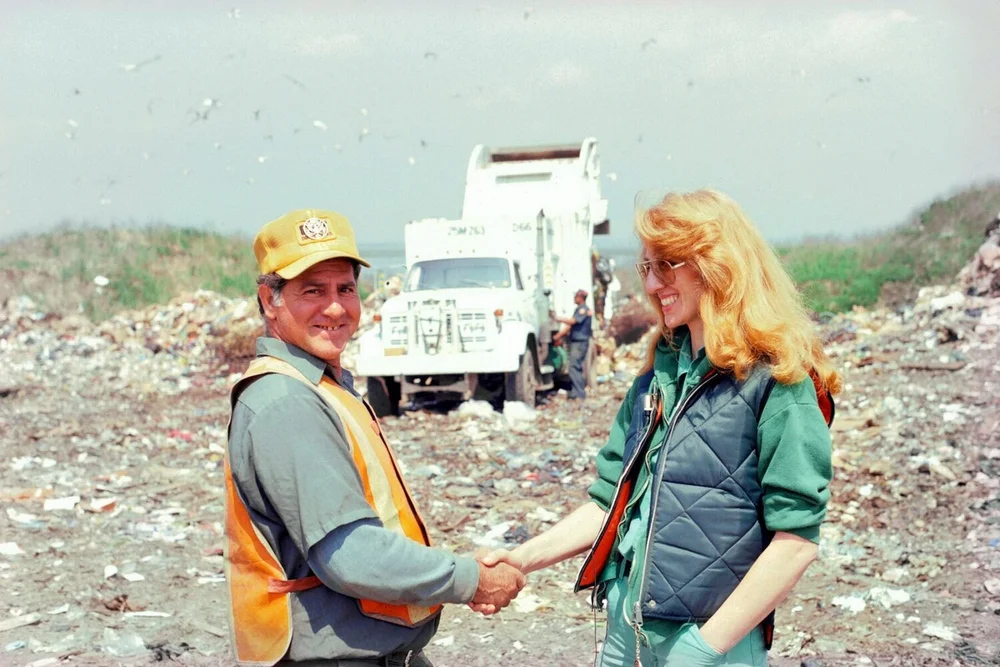
The multifaceted performance included Handshake and Thanking Ritual, in which Ukeles shook the hand of all 8,500 Sanitation employees, saying to each "Thank you for keeping New York City alive."
—the Sanitation Foundation
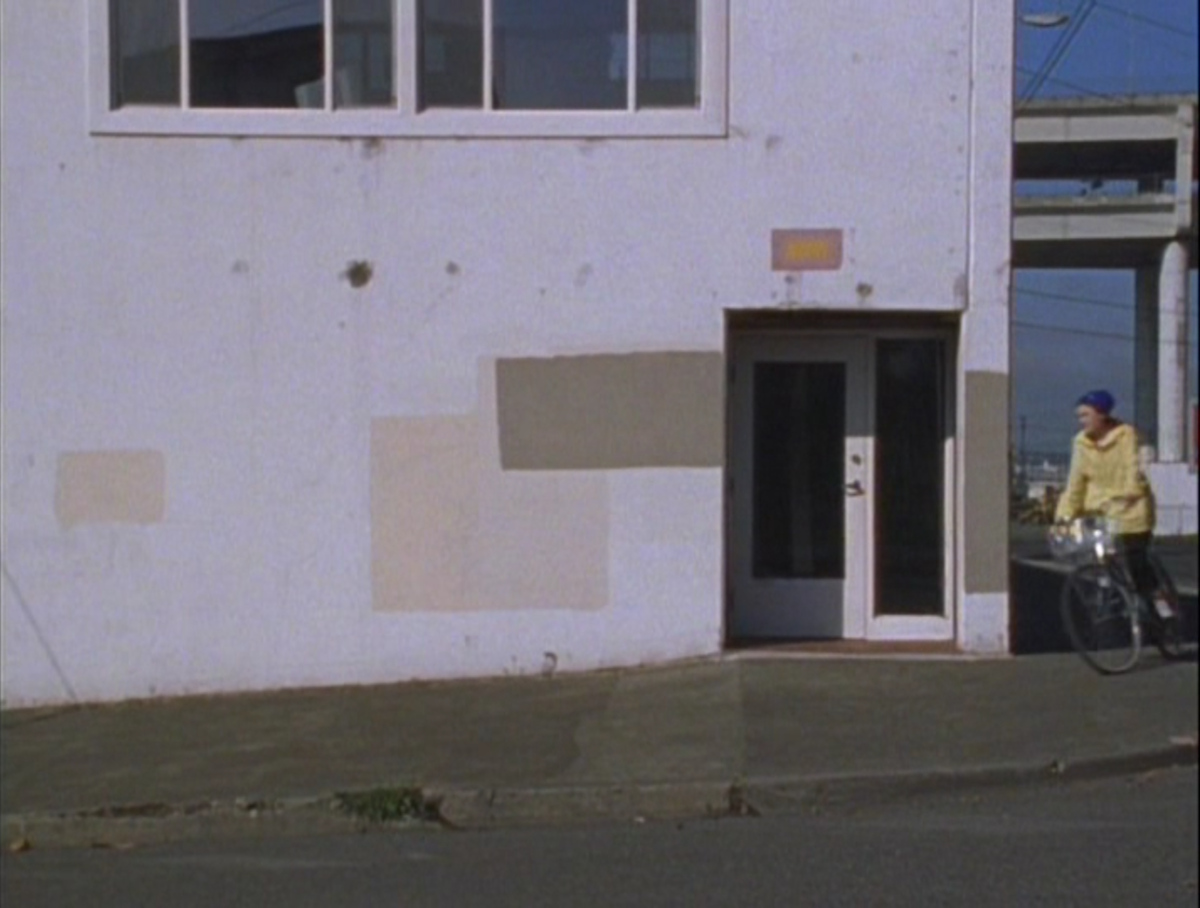
I am generally of the perspective that graffitti removal is destruction of art however I adore the film's half-joke thesis that graffiti removal workers are artists doing their own art. And from the perspective of the steward of an infrastructural object, the object has suffered damage and needs repair.
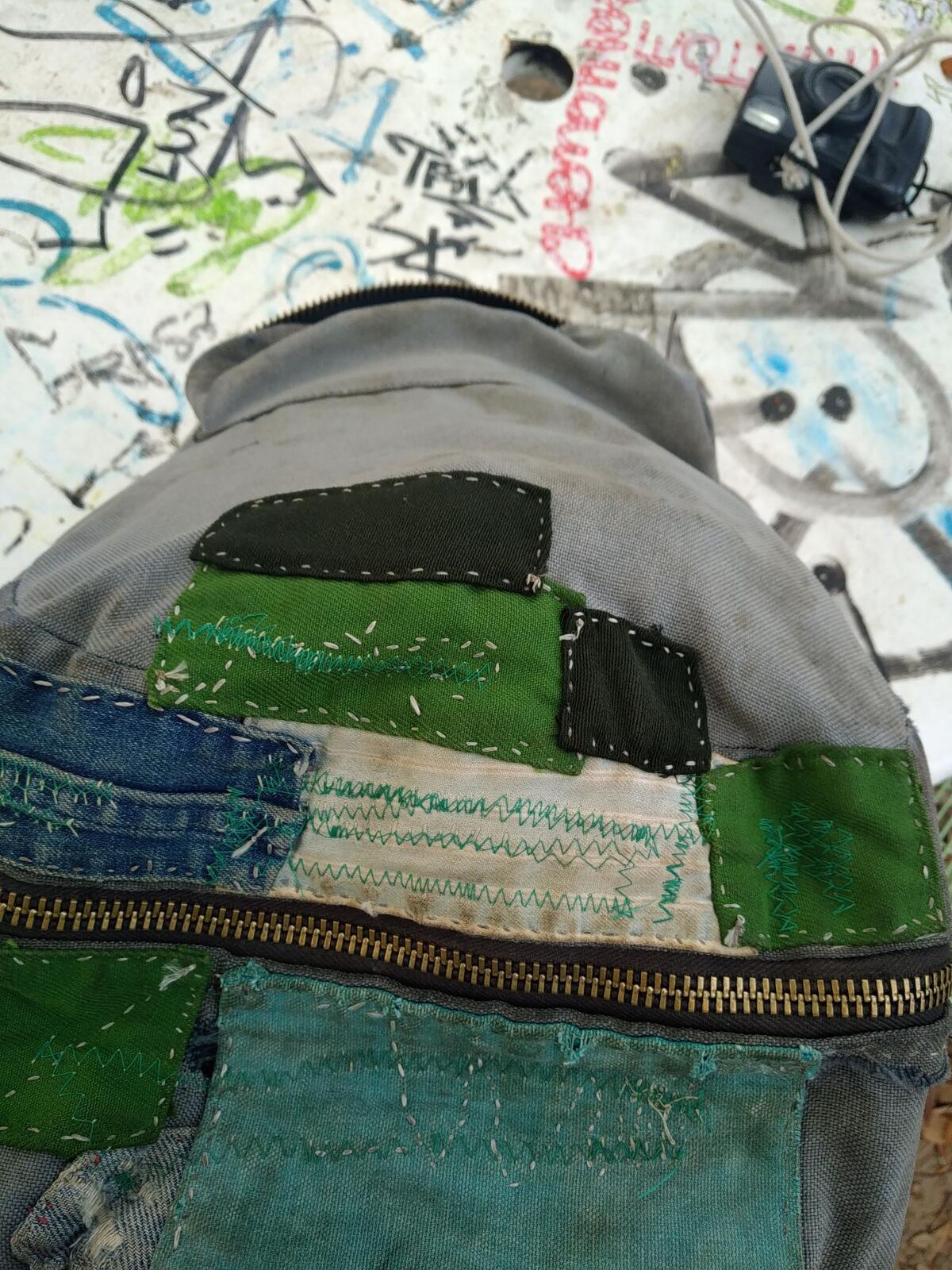
compare the graffiti removal to Celia Pym's sweater and my backpack.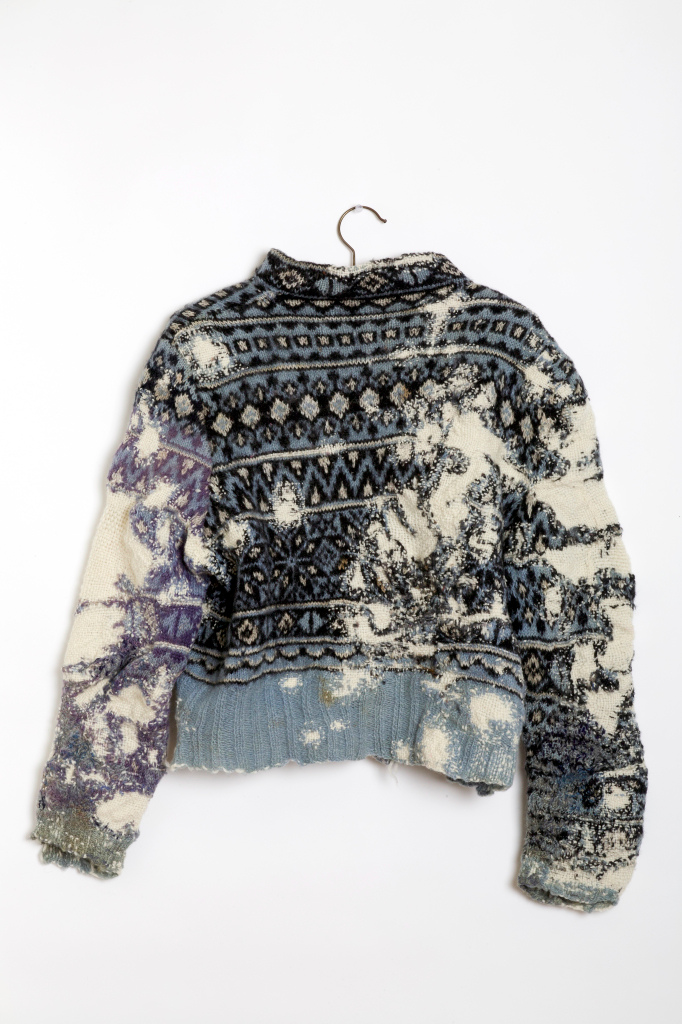
custo
The word custodisco (custodire) is the verb form of the word custodian in Italian, "I watch something with care, so that it does not suffer damage and is kept intact." This is where custo gets its name. The 3 o's in the U of the logo are instructions on how to pronounce it (coosto, not cUSto), a vague reference to Object-oriented ontology, and a diagram showing how custo is peer-to-peer, thus avoiding a middle-man.
Scuttlebutt
The characteristics I sought in creating a collections management and tagging system were:- aesthetically appealing
- uplifting maintenance
- independent & resilient
Uplifting maintenance is achieved with instruction in the maintenance ritual during the custo workshop.
Independent & resilient are achieved with Scuttlebutt.
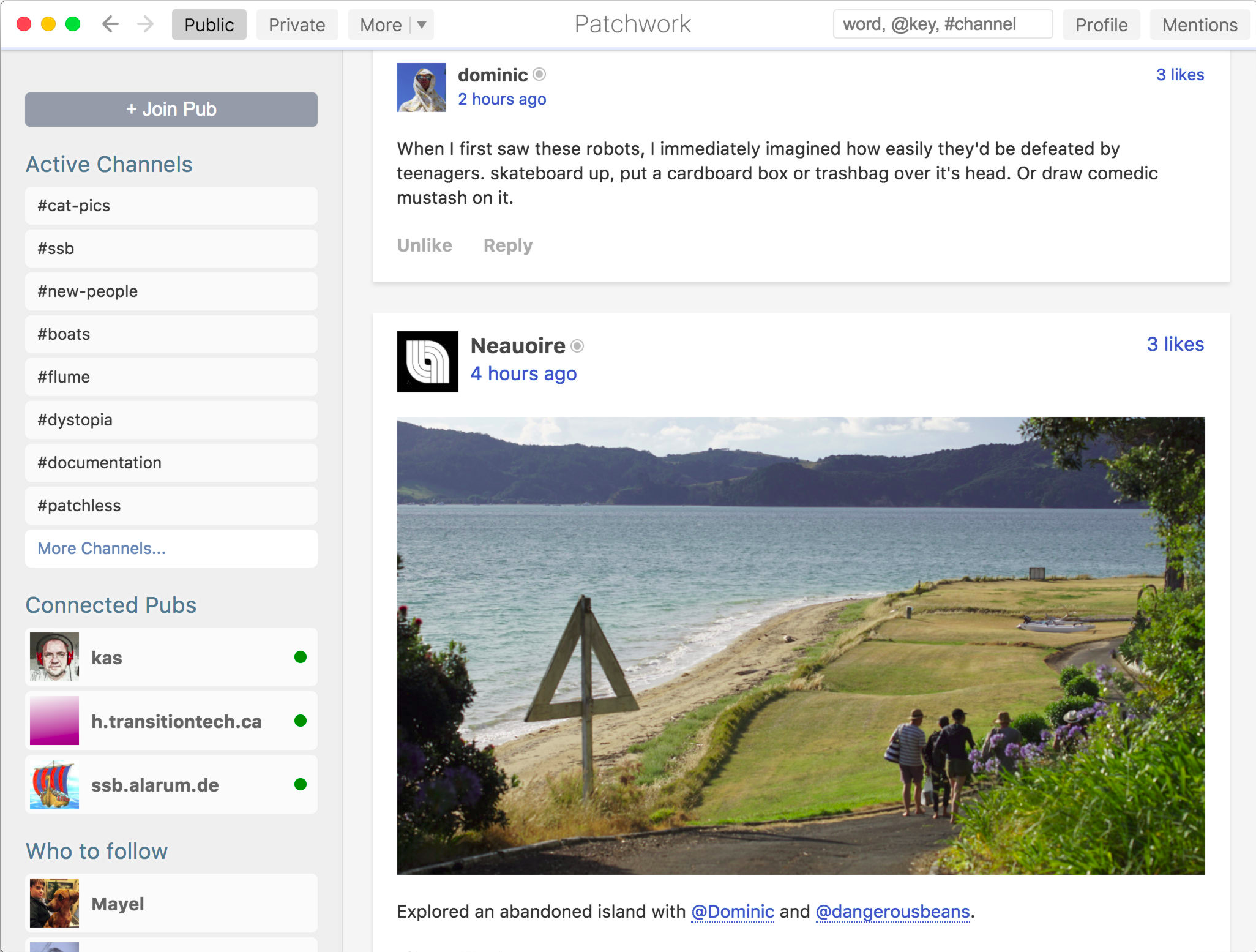
a screenshot from the Patchwork Scuttlebutt client
Secure Scuttlebutt is a decentralized social network that doesn't rely on the internet and resiliently stores information on many computers all over the world. By utilizing Scuttlebutt, custo is able to generate unique IDs for each item, independent of any central authority, for free. Technically each item tagged with custo is an NFT as ownership/stewardship of an item may be cryptographically verified.
The first Custo kiosk is on Scuttlebutt at:
@FEvUwv3A721fT0DWzANJqPa48iD57xv/ZnfQvKxPd2g=.ed25519The second kiosk is on Scuttlebutt at:
@apIwMs+ElLT6h4d9nUqqFSWUXAHII1d+Wz9SopR26Lo=.ed25519
ssb on the web
I modified ssb-viewer to display only Custo items. That is deployed at cust.ooo/items. There is technically an ssb pub behind that ssb-viewer instance but it's hops are set to 1 and it only follows Custo kiosks.Ssb-viewer, in conjunction with this QR scanning page, allows anyone to scan the QR on a custo tag and view the item informaton online. But the continued existence of my personal ssb-viewer instance may be tenuous and unreliable! It will likely not stay online forever, at least at that address. And it doesn't allow people to post stories about their item. I encourage everyone to setup a Scuttlebutt account oneself and contribute to the Scuttlebutt ecosystem.
free sha voca do
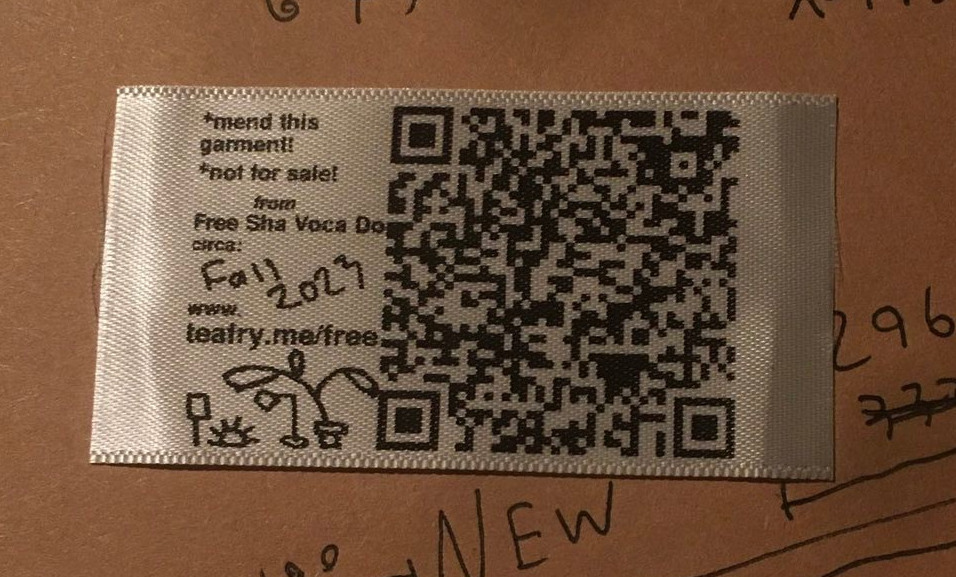
Free store tems are being posted by (or ownership assigned to) this Scuttlebutt account:
@cpie7fpNg7u1ybjsju+iNJ5/HXxSEXc9wvjPLFlF2fw=.ed25519
future
I will be expanding on the custo project as part of the Vermont Certificate of Public Librarianship that I am enrolled in.
I'd like to add multi-lingual support to the kiosk
I need to make a small command-line tool for cryptographically giving your item to another Scuttlebutt user.
If you'd like to financially support this work you can setup a recurring or one time donation, no pressure.
history
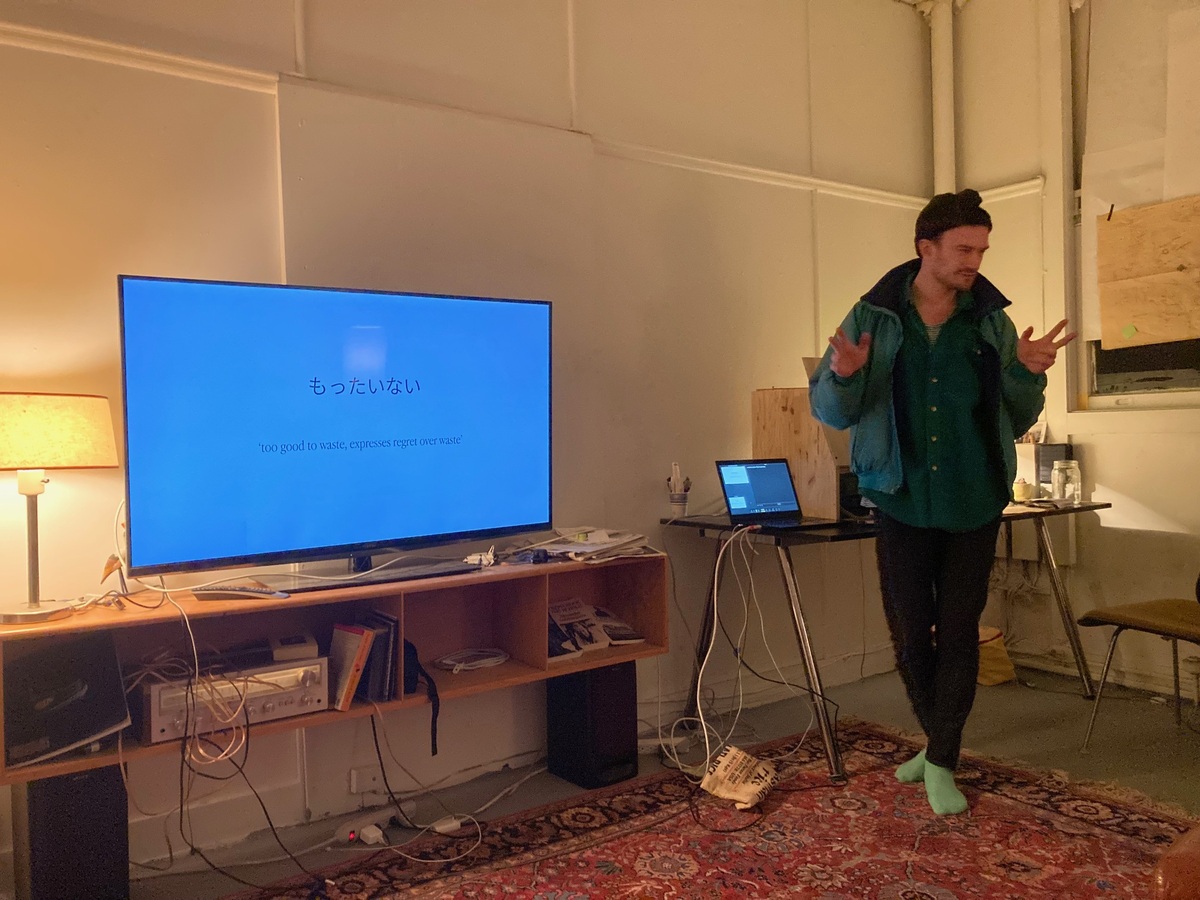
first presentation of the project at SFBOT
- June 2023 I finished kiosk #1 during a brief residency with the SF Botanical Institute where I presented custo for the first time
- Kiosk 1 was presented at Dwebcamp during summer 2023 and was part of a special project (thanks to Mai Ishikawa Sutton) at Dwebcamp summer 2024 (financially supported by the Secure Scuttlebutt Consortium
- February 2025 I presented custo at P2P Basel and at Show Us Your Screens at offline space in Berlin.
- May 2025 I guest presented custo at Concordia University's Intermedia course taught (and excellent feedback provided) by Tricia Enns
- December 2025 I received a grant from Rhizome.org to create a second kiosk.
- January 2026 the second kiosk debuted at TIAT in San Francisco. Following this, the kiosk was presented and installed at The University of British Colombia (thanks to an invite from Germaine Koh) as well as began a one year (ish?) installation at Z-Space Arts & Technology Society in Vancouver, BC
- The process of building and presenting the second kiosk is documented at this travelogue
- April 2026 I presented Custo in 2 classes at Champlain College, Robinson Elementary ELP afterschool program and at Bindle Institute
thanks!!!!
- I think it was Taeyoon Choi who introduced me to the idea of an ex-libris
- Max Fowler and decentral1se helped me with the initial Scuttlebutt prototypes
- my mom taught me to sew and darn socks!
- my cousin Bill helped me fashion printer parts from dowels for the second kiosk and gave me some candles for it
- Leslie Bienenfeld let me have sooo many packages mailed to her house to build the second kiosk
- Tim Johnson sold me a precious old Apple Keyboard for the second kiosk
- many inspirational convos with Jenny Odell
- my friend A [sic] who connected me with the Vancouver art scene, helped bring the second kiosk up there, is stewarding the kiosk there, and put me up for a week!
- Ali Santana helped me name the thing amongst many inspirational convos
- Frankie Enzler helped promote custo at Dwebcamp
- Luke Idziak helped me build the wood frames of both kiosks and let me borrow his car!
- Sydney Decker helped me sew tags and gave presentation feedback
- riffed hard on this with Cent
Inquiries please write to maintenance@cust.ooo
The code is open source by request
This is a project by trav.